
When planning a concrete pour, one of the first questions homeowners ask is how far a concrete pump can actually reach from the truck to the pour location. At Hunter and Coast Concrete Pumping, we’re often asked to assess access challenges and explain what’s realistically achievable before a job begins. For those considering concrete pumping in Hunter Valley, understanding real pumping distances helps avoid delays, extra costs and on-site surprises.
This is relevant for properties with long driveways, tight access or elevated building areas where concrete trucks can’t get close. While concrete pumps are powerful, their real-world reach depends on pump type, site layout and setup conditions. Understanding these limits early helps you plan slabs, footings and structural pours without delays or surprises.
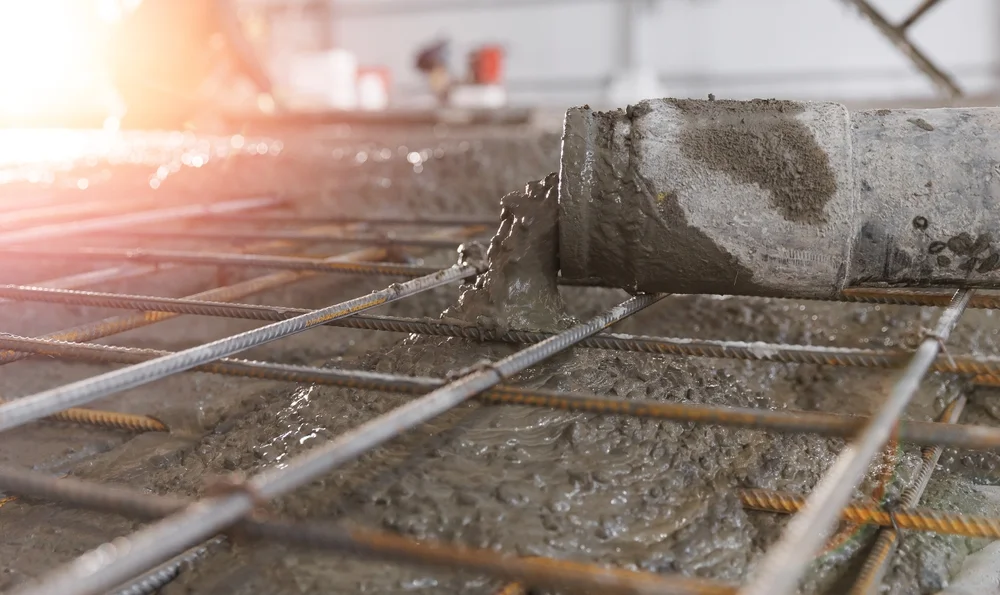
Concrete pumps are not one-size-fits-all, and assuming they are can lead to inefficiencies, unnecessary costs or on-site complications. Each pump type is designed to handle specific distances, heights and access conditions and their performance can vary depending on how and where they are used. Understanding the reach capabilities of different concrete pump types helps homeowners and builders make informed decisions early, ensuring the right equipment is selected for the layout, scale and constraints of the site.
Line pumps are commonly used on residential sites where direct access is limited. Concrete is delivered through flexible hoses that can be routed around buildings, fences and landscaping without bringing heavy machinery onto the property. Their strength lies in horizontal reach and controlled placement over longer ground distances. In practical terms, line pumps can typically achieve:
Boom pumps are designed for situations where height, obstacles or complex site layouts prevent traditional access. Their articulated boom arms allow concrete to be lifted and positioned from above, making them especially useful for built-up residential areas where concrete needs to be placed behind existing structures or over rooftops. This vertical capability expands what is achievable on challenging sites. Typical capabilities include:
Pump specifications provide useful guidance, but real-world pumping distance is shaped by site conditions, concrete characteristics and pumping technique. Overlooking these variables can reduce effective reach or compromise concrete quality during placement. Key influences include:
Choosing between a line pump and a boom pump comes down to how the site behaves, not just distance. The right pump simplifies access and placement, while the wrong choice can slow the pour or complicate setup unnecessarily. General guidance:
Manufacturer reach figures are based on ideal conditions, which most residential sites simply don’t offer. Treating those numbers as guarantees often leads to unrealistic expectations on pour day. Ground conditions, space limitations, setup angles and access restrictions all affect how much of that theoretical reach can be safely and efficiently used. Understanding this difference helps plan pours with clarity and confidence. In practice:
Homeowners don’t think in terms of pump pressure or hose diameter; they want to know whether the concrete can reach the required pour location on their property. Real-world scenarios are where pumping capability truly matters, because every residential site presents a unique combination of distance, access restrictions and obstacles. Understanding how concrete pumps perform in common homeowner situations helps set realistic expectations and ensures the pour is planned correctly from the outset.
One of the most common questions homeowners ask involves reaching a slab at the back of the property, particularly when side access is limited or completely blocked. Backyard slabs are often inaccessible to concrete trucks due to fencing, established landscaping, narrow driveways or neighbouring structures. In these situations, pumping provides a practical solution without disturbing the property. The setup is efficient, cost-effective and commonly used for patios, sheds, extensions and alfresco areas.
When horizontal access is available, but physical barriers block the path to the pour area, vertical placement becomes the main challenge. Garages, fences and rooflines often prevent hoses from being run directly to the slab, making traditional methods impractical or risky. In these situations, boom pumps offer a clean and controlled solution. This approach is useful on built-up residential blocks where preserving existing structures is a priority. Homeowners can expect:
Long-distance pumping on tight residential sites is achievable when the setup is planned correctly. Without proper hose layout and pumping control, flow issues or blockages can quickly arise. Various measures ensure consistent placement and protect concrete quality, even when site conditions are challenging. Typical considerations to remember are:
Sloping or tiered blocks increase pumping resistance due to elevation changes, requiring careful hose management to maintain steady flow and placement accuracy. Professional assessment ensures concrete is delivered smoothly without compromising safety or finish quality. On these sites:
Pumping distance affects more than reach; it directly influences delivery speed, finishing windows and crew coordination. Managing these factors carefully preserves surface quality, structural integrity and overall project outcomes. The following are some of its impacts:
Concrete pumps can reach impressive distances, but real-world performance depends on matching the right equipment to the actual site conditions, not just distance on paper. Whether you’re dealing with long backyard distances, tight access or the need to pump over existing structures, our team will recommend the right pump setup to keep your project efficient and problem-free. Contact Hunter and Coast Concrete Pumping today to book a site assessment and get clear advice on what’s realistically possible for your pour.