
Getting ready for concrete pumping in the Hunter Valley often raises questions about access and space, particularly on sites with tight clearances, existing structures or established landscaping. Many people are surprised by how adaptable modern concrete pumping equipment can be when the site is assessed properly and the setup is planned in advance.
The key is understanding how much room is realistically required before concrete arrives, so there are no delays, last-minute changes or avoidable stress on the day of the pour. Every property presents different challenges, whether that’s sloping blocks, narrow driveways, soft ground or limited clearance around buildings.
By looking at access early, the right equipment can be matched to the site instead of forcing a setup that creates problems. Clear communication and realistic expectations help protect surrounding surfaces, improve safety and ensure a smoother, more controlled concrete pour across Hunter Valley projects.
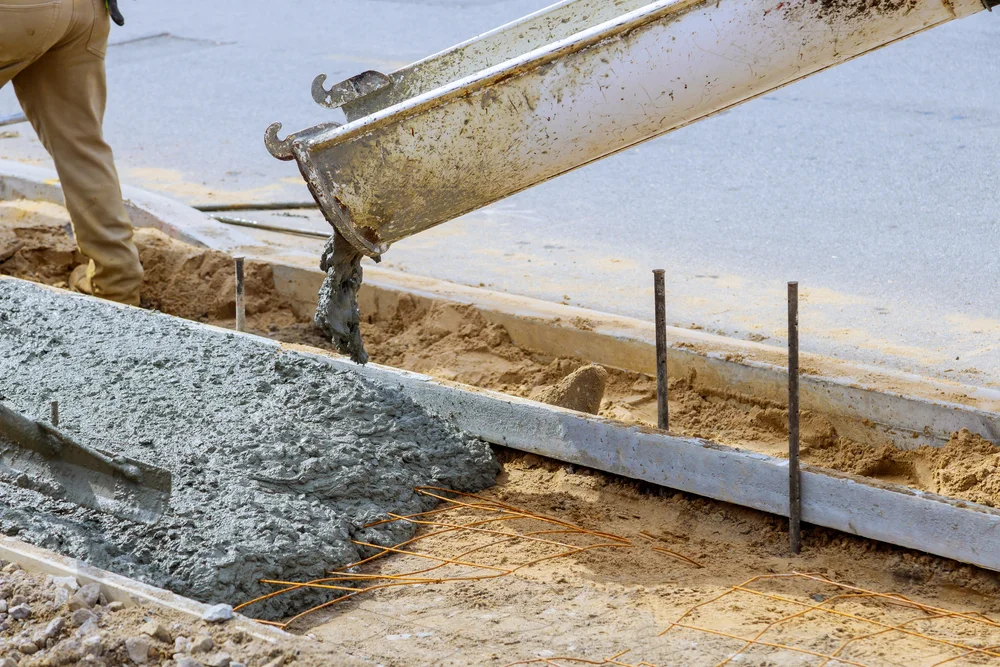
Choosing the right pump starts with knowing how much physical space is available on the property and around the pour area. Each pump style has different access needs that affect where it can park and how far it can reach. We always assess the site before arrival so the setup works safely and efficiently without unnecessary disruption. This approach allows us to adapt to both open sites and tighter residential blocks with confidence.
Line pumps are one of the most flexible options for residential and smaller commercial work due to their compact size and adaptable hose layout. They require less space for parking and can often be positioned on a standard driveway or roadside area. Their ability to run hoses around corners and through side access makes them ideal for tricky layouts.
Boom pumps offer speed and reach but need more space for safe setup and operation. These pumps use hydraulic outriggers that extend outward to stabilise the truck during pumping. Planning space for both the truck and its supports is critical before choosing this option.
Many residential blocks present challenges like narrow access points and limited parking or close neighbouring structures. These situations require careful planning rather than assuming standard access will work. We often adapt the setup approach to suit the constraints without compromising safety or quality.
Beyond the pump itself, several site-specific factors play a big role in how much space is actually needed on the day. Surface conditions or overhead clearance and distance to the pour all influence the final setup. Understanding these details allows us to plan accurately and avoid delays once equipment is on site. A small adjustment early can prevent major issues during the pour.
The surface where the pump parks must be able to support heavy equipment without damage or movement. Driveways or lawns and unsealed areas all behave differently under weight. We take these conditions seriously to protect property and ensure stability.
Clearance above and around the pump path is just as important as ground space. Low-hanging obstacles can restrict movement and create safety risks if not addressed early. Identifying these features beforehand helps determine the best pump style.
Distance from the pump to the pour area affects both efficiency and access planning. Longer runs are possible but need clear pathways and thoughtful layout. We balance reach with practicality to keep pours smooth and controlled.
Strong planning around the space makes all the difference when it comes to a smooth concrete pour. Understanding pump requirements and site conditions helps avoid last-minute changes and unexpected challenges. From tight residential blocks to more open builds, a clear setup plan keeps everything moving on schedule. The result is a safer and more efficient pour from start to finish.
By assessing access early and choosing the right equipment, Hunter and Coast Concrete Pumping helps clients get the best outcome without unnecessary stress. Every site has its own limits, but those limits are manageable with the right approach. Clear communication and realistic planning set the foundation for success, and that is the standard we aim to deliver on every project that we work on.