
Concrete driveways are built to be tough, yet even the best slab can develop cracks that frustrate homeowners and lower street appeal. At Hunter and Coast Concrete Pumping, the team sees firsthand how climate movement in the ground, poor preparation and everyday use can all contribute to those unwanted lines across the surface. Understanding why concrete cracks is the first step towards keeping a driveway looking sharp and performing well for as long as possible. When property owners know what is happening beneath and within the slab, they are far better placed to make smart decisions before, during and after the pour.
This article explores the real reasons concrete driveways in Hunter Valley crack and how good design, quality materials and correct placement can reduce the risk. Readers will learn how soil conditions, drainage, slab thickness, reinforcement and control joints influence cracking, how local weather and heavy vehicles play a part and what maintenance practices help protect the surface. Homeowners and builders will have clear insight into what should be happening on their site during preparation and pouring, along with practical ways to prevent small issues from becoming costly structural problems.
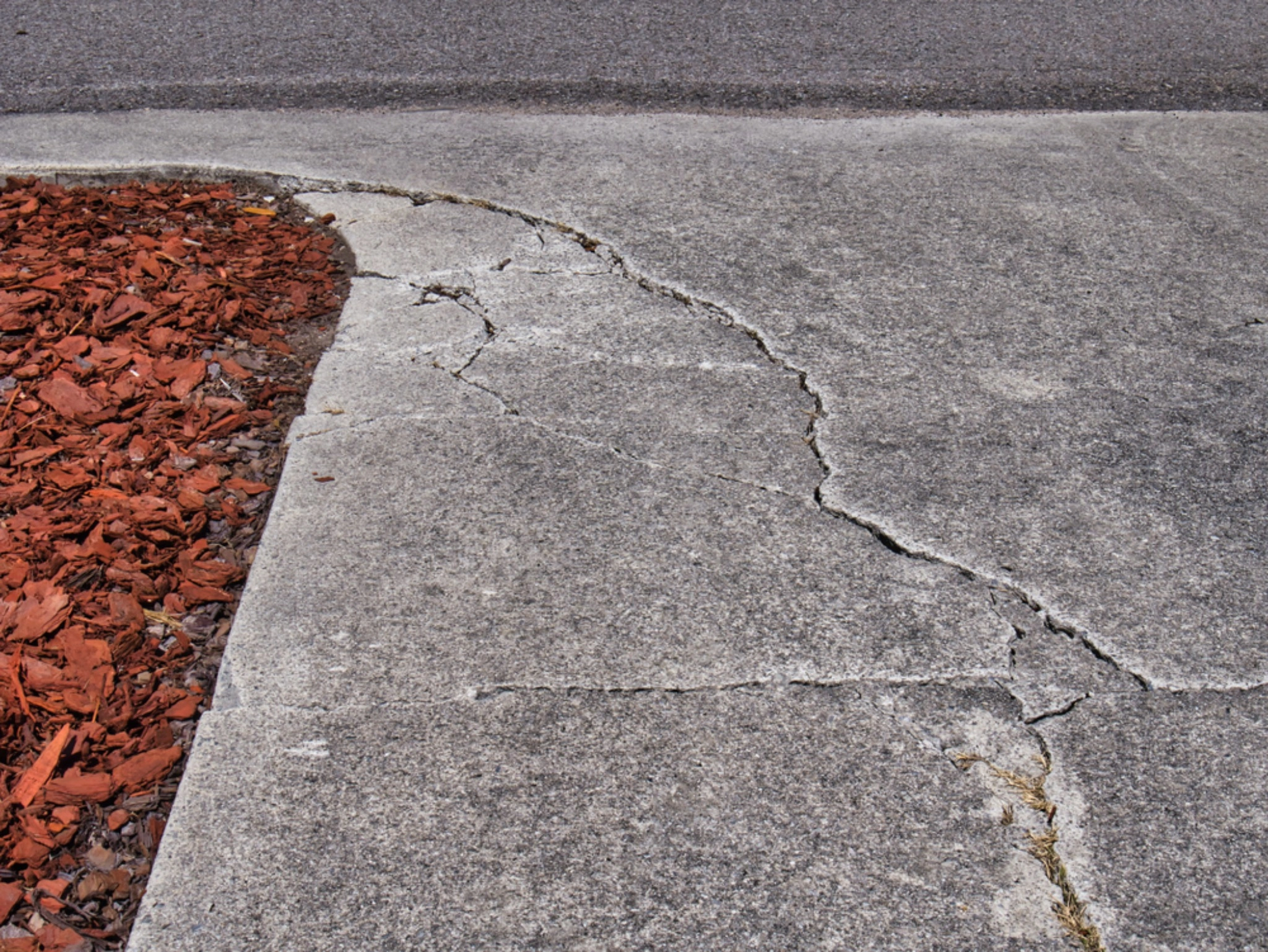
Concrete is strong in compression but relatively weak in tension, which means any movement in the ground or slab can lead to visible cracks. Homeowners often notice cracking as driveways age or even within the first year if the mix, base or joints are not done correctly.
Most cracks are not about the concrete “failing” but about how the slab responds to soil movement, temperature changes and daily use. Understanding the common causes helps explain which cracks are mostly cosmetic and which point to deeper issues that need attention.
The ground under a driveway is just as important as the concrete on top. If the base is not properly compacted or is laid over reactive or soft soil, the slab can settle unevenly and crack.
Many blocks have clay or fill that expands when wet and shrinks when dry. If concrete is poured straight over this without adequate preparation, the slab can flex and fracture as the soil moves. Similarly, if there are pockets of loose fill, tree roots or buried organic material that later decomposes, the concrete in that area can drop and form a visible crack or step.
A well-prepared subgrade uses compacted road base or similar material at a consistent depth. This spreads loads evenly and reduces the risk of differential settlement that creates random cracking.
Concrete shrinks slightly as it cures. If this normal shrinkage is not controlled with planned control joints, the stresses are released in the form of random cracks across the surface.
Control joints are deliberately weakened lines cut or formed in the slab so it cracks neatly in those locations instead of across the middle of the driveway. If joints are spaced too far apart, cut too shallow or cut too late, cracks often appear where they are not wanted. This is common in wide driveway sections or turning areas.
Temperature changes also cause concrete to expand in the heat and contract in cooler conditions. In long or large driveways, if there are no expansion joints at key points near structures, edges or changes in direction, the slab can push against fixed objects and crack.
A driveway that is too thin for the loads it carries will flex under vehicles and eventually crack. For many homes, standard car traffic may be fine on a thinner slab. However, boats, caravans or delivery trucks can overload an under-designed driveway.
Reinforcing mesh does not completely prevent cracks, but it helps hold the slab together and limits the width of any cracks that do form. If reinforcement is missing, the wrong size or sitting on the ground instead of in the middle of the slab, the concrete is more likely to crack.
Poor drainage is another major factor. Water that sits besides or under the slab softens the subgrade and can wash away fine material, which leads to sinking sections and crack lines. In sloping driveways or coastal areas, heavy rain can quickly expose any weaknesses in base preparation or drainage design.
Ground preparation is one of the biggest factors that decides whether a concrete driveway will stay crack-free or start breaking up within a few seasons. Even the strongest concrete will fail if it is poured over soft, wet or moving ground. For properties, this often comes down to how the natural clay soils, fill and drainage are managed before a slab is placed.
By understanding how soil behaves and following proper preparation steps, it is possible to reduce movement under the driveway so the slab stays level and supported.
Concrete is rigid. When the ground under it settles, swells or washes out, the slab is forced to bend. Because concrete has very little flexibility, it responds with cracks.
Common soil movement issues include:
Even a small void under one wheel path can start hairline cracking. Eventually, traffic and more movement can turn these into wider structural cracks or cause sections to tilt.
Proper ground preparation starts before any concrete truck arrives. Ensuring the subgrade is stable and consistent is critical to reducing future cracking.
Here are the key steps involved:
Many blocks have reactive clay that moves as moisture changes. Moisture variation across the driveway is what usually causes problems, so the aim is to keep conditions as even as possible.
This can include:
By combining thorough ground preparation with sensible water control, the risk of soil movement under the driveway is greatly reduced, which in turn cuts down the likelihood of unsightly and costly cracking.
Poor drainage and excess moisture around a driveway are some of the biggest hidden causes of cracking. Even a well‑reinforced slab can fail early if water is allowed to sit under or around the concrete, soften the base or wash material away. For homes, getting drainage right is just as important as the concrete mix itself.
Concrete contractors see many driveways where cracking starts because water has nowhere to go. Fixing these issues after the slab is poured is harder and more expensive than planning for drainage before any concrete arrives on site.
When water soaks into the ground under a driveway, it can cause the subgrade to soften or erode. As vehicles drive over the slab, the weakened base compresses and the concrete bends and cracks. In reactive clay soils, moisture changes cause the ground to swell when wet and shrink when dry, which puts repeated movement into the slab.
Poor surface drainage is also a problem. If the driveway is too flat or incorrectly graded, water can pond on top of the concrete. This can lead to fine surface cracking, known as crazing. And over time, it allows more water to seep through joints and hairline cracks into the base. Blocked or undersized drains and a lack of spoon drains at the street or garage end can trap water around the slab edges, encouraging edge cracking and settlement.
Good driveway drainage starts in the planning stage. The finished surface should typically have a consistent fall, so water runs off quickly. For most residential driveways, this means a minimum slope of around 1 in 100 falling towards a suitable drainage point rather than towards the house or garage.
A combination of surface drains is needed, such as:
These need to be sized to cope with local rainfall, not just light showers. Gutters and downpipes must also be directed away from the driveway slab. Concentrated roof water discharged besides or under a driveway is a common cause of localised sinking and cracking.
A stable driveway starts with a well-prepared base. The subgrade should be compacted and shaped with proper falls before any base material or concrete is placed. In wet or clay sites, a layer of well-compacted road base or crushed rock helps reduce the impact of moisture changes. In some situations, a plastic membrane is used to limit moisture movement from the ground into the slab and to help control shrinkage cracking.
Around the driveway, garden beds should be kept slightly lower than the slab with edging to prevent soil and mulch from washing onto the concrete. Irrigation systems should be checked so they do not constantly wet the slab edge or the base underneath. Consistent moisture around all sides of the driveway is better than very wet on one side and very dry on the other, causing uneven movement.
By coordinating the concrete placement with proper site drainage, contractors help reduce the risk of cracking caused by water problems over the life of the driveway.
Concrete thickness, steel reinforcement and correctly placed joints are three of the biggest factors in whether a driveway cracks early or performs well for decades. Most serious cracking problems can be avoided when these elements are designed to suit the expected vehicle loads and site soil conditions, then installed accurately.
In areas such as the Hunter and Central Coast, clay soils, tree roots and sloping blocks are common. These conditions increase the importance of getting slab thickness, reinforcement placement and joint layout right from the beginning rather than attempting repairs after cracking has already occurred.
If a driveway slab is too thin, it flexes under vehicles, leading to random cracking and broken edges. If it is thick enough and supported by a compacted base, it spreads loads properly.
As a practical guide for typical residential driveways on a base, experts recommend:
Uniform thickness is just as important as the nominal depth. If parts of the base are not level, the slab may be only 60 to 70 mm in spots, even though it averages 100 mm. Those thin spots are where cracks start.
Reinforcement does not stop concrete from cracking altogether. It holds the slab together when hairline cracks inevitably form, so they stay tight and do not become trip hazards or wide gaps.
For driveways, concrete contractors use reinforcing mesh such as SL62 or SL72, depending on traffic and site conditions. Here are details that matter:
The mesh should sit in the top third of the slab, not on the ground
Chairs or bar supports should be used so the steel does not drop when concrete is placed
Mesh sheets need a correct overlap so loads can transfer across cracks
On reactive clay sites or where tree roots are nearby, engineers may specify heavier reinforcement or additional bars along edges and at re-entrant corners. These are common crack zones if steel is missing or in the wrong position.
Even with correct thickness and reinforcement, concrete shrinks as it dries. If the slab is one unbroken piece, it will crack wherever it wants. Well-planned joints create controlled weak lines, so cracks form neatly where they are less visible and less damaging.
There are three main joint types:
For a typical 100 mm thick residential driveway, a common rule is to space control joints at 2.5 to 3 metres in both directions and keep panels roughly square. Long, skinny panels are far more likely to crack.
The weather has a direct impact on how concrete behaves as it hardens, which is why so many driveways crack earlier than expected. Temperature, wind and moisture levels all affect how quickly water leaves the slab and how evenly the concrete gains strength. Good curing practices and planning around local weather conditions are the key to reducing shrinkage cracks that appear in the first days and weeks after a driveway is poured.
Concrete needs moisture to cure properly. In hot or windy conditions, the surface can dry out too fast. When the top dries and contracts while the inside is still wet and larger, the surface is put into tension, and hairline cracks can form.
High temperatures speed up the chemical reaction in concrete. If it sets too quickly, the slab can be weaker and more brittle, making it more prone to early shrinkage cracks. Strong wind removes surface moisture quickly, and low humidity has a similar effect. At the other extreme, heavy rain soon after placement can wash out cement at the surface and weaken it, which also encourages cracking later.
Planning a driveway pour around the forecast is important. Avoiding the hottest part of the day, providing shade or windbreaks where possible and being prepared to cure immediately after finishing all help to keep the slab moisture level more even.
Curing is the controlled process of keeping concrete moist and at a suitable temperature while it gains strength. Most residential cracking problems are linked to poor or rushed curing, especially in warm coastal and inland conditions.
For driveways, it is suggested to start curing as soon as finishing is complete and the surface can be safely covered. Common methods could be:
Ideally, curing should continue for at least 7 days. In warm or very dry conditions, longer is better. Stopping curing too early lets the surface dry and shrink faster than the rest of the slab, which increases internal stresses and the likelihood of random cracking.
All concrete shrinks as the water used in the mix either evaporates or is used in the chemical reaction. The more water that is added beyond what the cement needs, the more the slab will shrink and the higher the risk of cracking.
Controlling shrinkage starts with a quality mix using the right water content and suitable aggregates. During placement, the crew should avoid adding extra water to make the surface easier to work, as this weakens the concrete and increases shrinkage. Effective curing then slows the rate of moisture loss, so the whole slab shrinks more uniformly.
Combined with correctly spaced control joints and a suitable slab thickness, good weather planning and curing are some of the most effective ways to keep driveway cracking to a minimum.
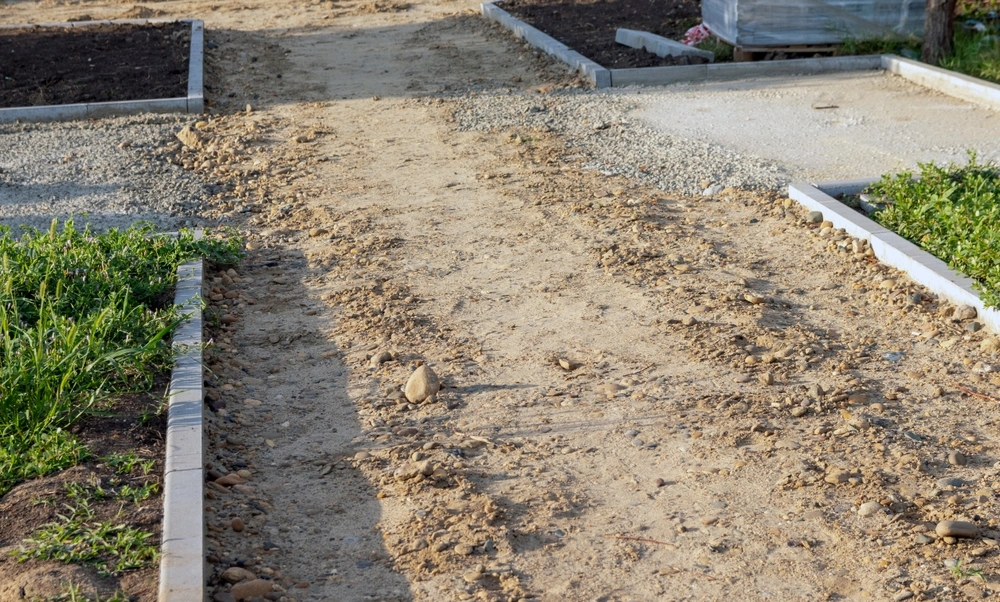
Most cracking problems are built in before a single load of concrete arrives on site. Careful preparation of the ground, correct mix design and smart planning for drainage and reinforcement all reduce stress in the slab, so it can move slightly without breaking. By focusing on the base, the concrete specification and site conditions, many common driveway cracks can be avoided rather than repaired later at extra cost.
The soil and base under a driveway must be stable and even. Soft or inconsistent ground allows parts of the slab to settle, which leads to cracking.
Proper preparation begins by stripping away topsoil, vegetation and organic matter until firm natural ground is reached. On many sites, this involves removing reactive clay pockets or filling low areas. A uniform layer of well-graded road base or crushed rock is then placed and compacted in layers using a plate compactor or roller.
The finished base should be:
Skipping proper compaction or pouring concrete over fill that has not had time to settle is one of the fastest ways to create future cracking.
The concrete itself must be suited to driveway loads and local conditions. For residential driveways, professional concreters generally recommend:
Reinforcement is also critical. Steel mesh or bars should be correctly sized and placed on chairs so it sits in the upper third of the slab, not on the ground. This does not stop all cracking but holds minor cracks tight so they are less visible and less likely to widen. On reactive clay sites, an engineer may specify additional reinforcement or slab thickening, which should be followed exactly.
Water around and under a driveway is a major cause of movement. Before pouring, contractors check that surface water will run to the street, drain garden or pit, not towards the house or across the slab. Spoon drains or strip drains are often installed where water naturally concentrates.
Downpipes should discharge into proper stormwater lines, not onto the edge of the driveway, which can soften the base and cause one side to sink. Large trees close to the driveway can dry out reactive clay or push roots under the slab, so root barriers or alternative alignments may be needed before work starts.
By controlling moisture and planning for site conditions ahead of time, the slab experiences less uneven movement, reducing the risk of cracking.
Homeowners often want to know whether a cracked concrete driveway can be repaired or if it needs to be removed and replaced. The answer depends on the size, depth and pattern of the cracks, as well as whether there is ongoing movement in the slab or underlying soil.
Early assessment is important. Small, stable cracks can often be repaired cost-effectively, particularly if the slab remains level and the subgrade is sound. However, extensive structural cracking, height differences between sections or continued ground movement usually indicate that full replacement is the more reliable long-term solution.
Hairline or small cracks that are not getting wider and have no height difference between the two sides are often good candidates for repair. These are shrinkage or minor settlement cracks. They can often be cleaned, filled with a quality concrete crack sealant or epoxy and then covered with a resurfacing product if a more uniform finish is desired.
Non-structural cracks that have a consistent pattern are repairable, too. If the slab is still level with no rocking under vehicle weight, the damage is typically cosmetic. In these cases, a combination of routeing out the crack slightly and then filling and sealing it can limit water entry and slow further deterioration.
For driveways with isolated spalling or small broken areas that do not affect the whole slab, a patch repair may be suitable. The damaged section is cut out to a neat shape, the loose material removed and a high-strength repair mortar used. This works best when the rest of the driveway is sound, and the subgrade is stable.
Some crack patterns indicate that the driveway has a structural problem that repair will not fix. Wide cracks, generally more than 5 mm, that keep growing or that have one side higher than the other suggest significant movement. If a car bumps when crossing the crack or water pools along it, the underlying base has probably failed.
Multiple intersecting cracks forming a map or alligator pattern are another red flag. This often means the slab is too thin for the loads it carries or the subgrade has softened. Patch repairs in this situation will often fail again because the driveway is flexing under traffic.
If large sections of the driveway are sinking or heaving, replacement is usually the most reliable long-term option. Lifting one section with concrete jacking might help in some cases. But if the concrete is badly cracked throughout, it is generally more cost-effective to remove and repour the slab on a properly prepared base.
Because concrete behaves differently on each site, local conditions can influence the right solution. Experts can inspect the driveway, check for structural movement and advise whether targeted crack repairs, resurfacing or full replacement will provide the best outcome for durability and appearance.
In the end, every crack in a concrete driveway tells a story. It’s important to look closely at the most common causes of cracking: poor site preparation and compaction, incorrect mix design, inadequate steel reinforcement, missing or badly placed control joints, harsh weather conditions, heavy vehicles and neglect. We’ve also walked through the steps that make the biggest difference to performance and longevity: thorough ground preparation and drainage planning, using the right strength mix for the job, proper placement and spacing of control joints, correct curing methods and sensible long-term maintenance. Preventing cracks is never about one “magic” product or shortcut; it’s about doing every stage properly and in the right order. When those fundamentals are respected, a concrete driveway becomes what it should be: a durable, safe and attractive asset that adds value to your home for decades, not just a few seasons.